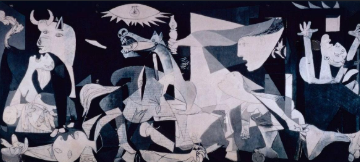















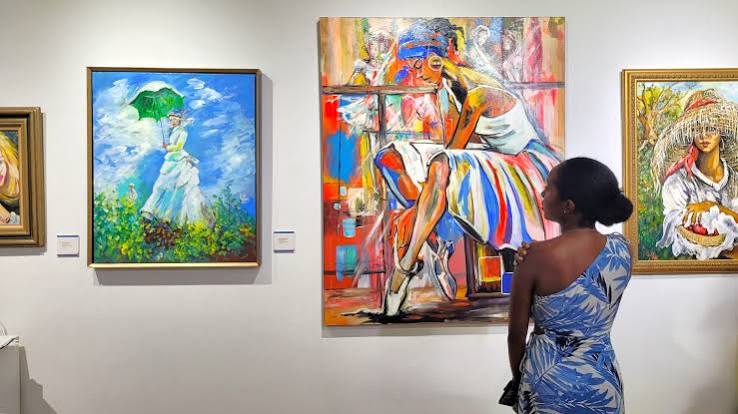




People typically judge an artwork based on its finished result, but there is a hidden history behind it. Whether it be mistakes, revision, or changing the piece entirely, these uncertain stages all lead to a finished piece.
An art piece always stems from an artist’s imagination. Reference pictures are a guidance that can never be exactly replicated, so an art piece is typically made from the artist’s imagined result of the piece. This is the beginning of every artwork: an interpretation. However, even a carefully planned idea can go through many trials and tribulations.
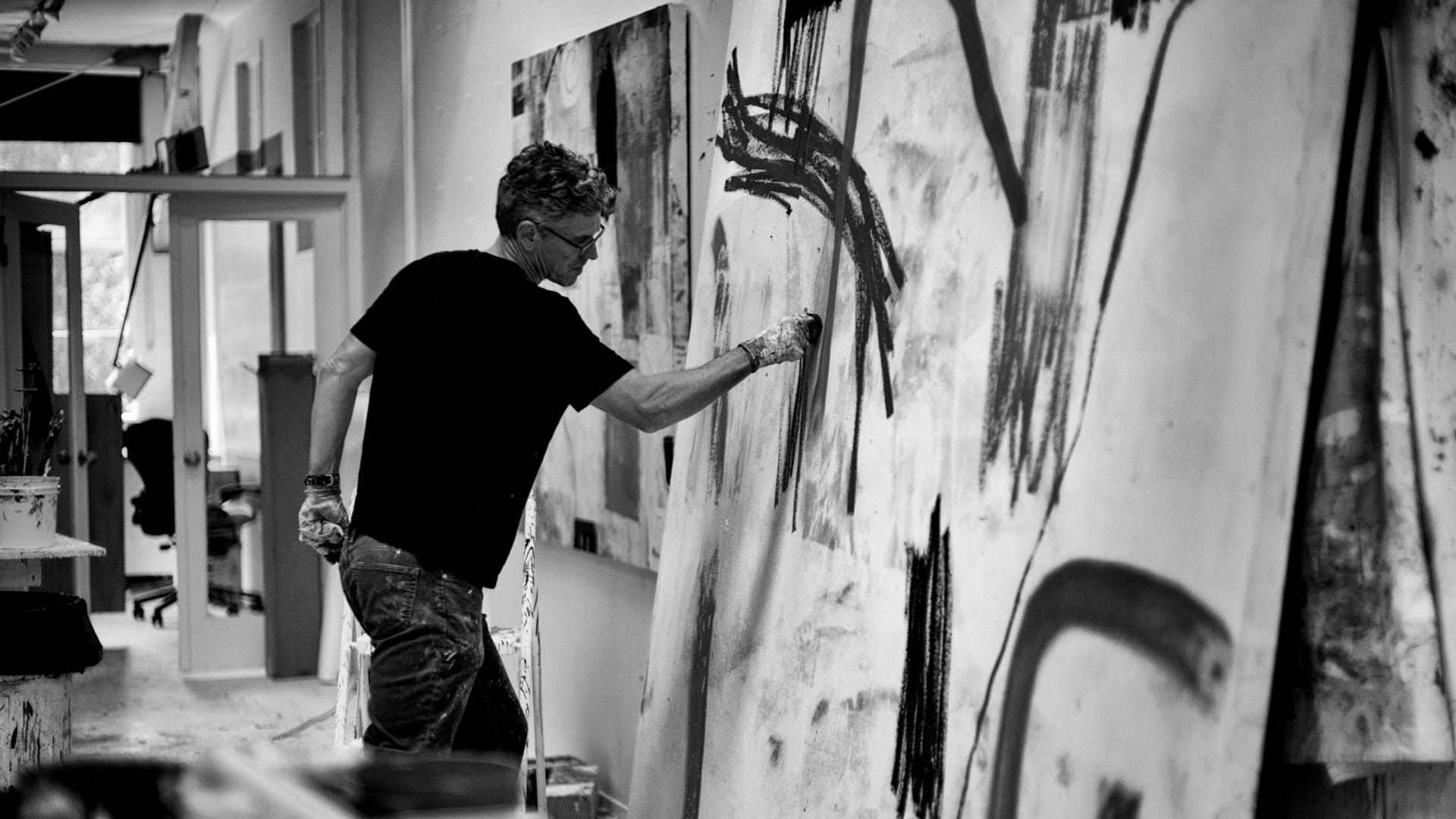
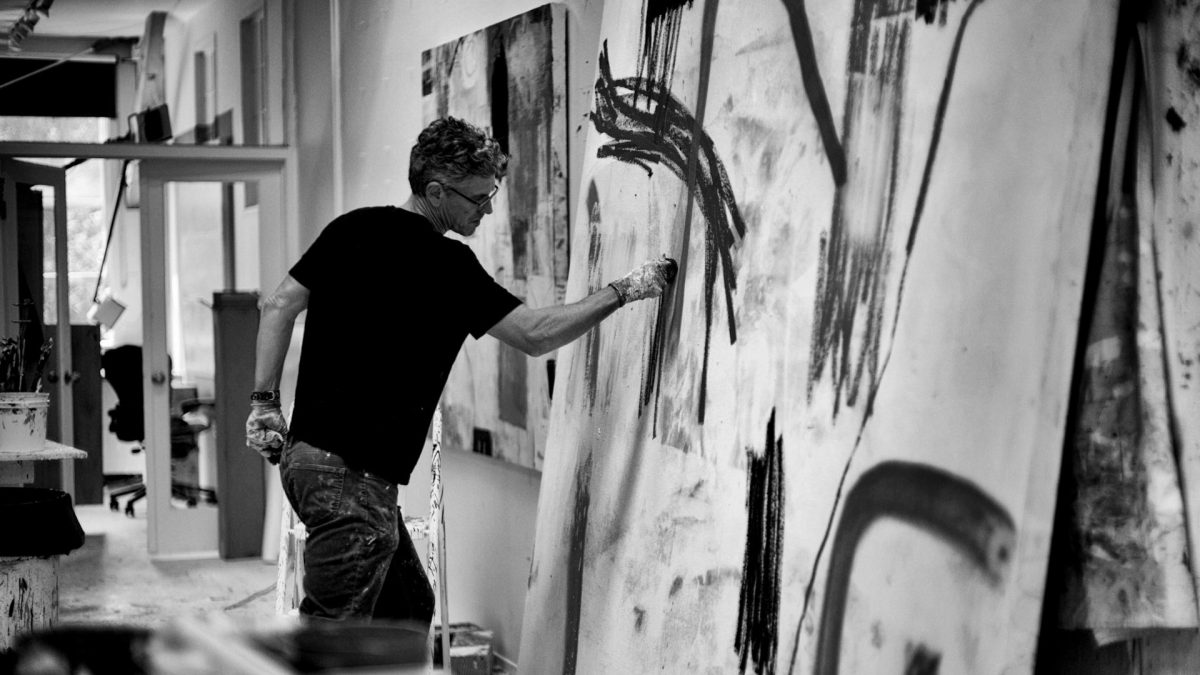
The second step is to map out ideas onto a blank canvas, often through an initial sketch. By the end of this step, the canvas will hold an idea that may have been erased and resketched many times. Nothing is perfect, but one can try to make it as close to perfection as possible. As one continues, they use many different mediums and techniques to achieve their desired outcome. However, it is easier said than done, as artists must go through step after step that is hemmed and hawed over and repeatedly redone before an artwork is actually complete. Caroline Baquiran ’29 states, “No artwork is made without mistakes.” Additionally, Kenzie Genuino ’29 explains that “Unseen mistakes result in the finished piece that so many see.”
The final stage would be the result. There are two perspectives of the artwork—the viewer and the artist. The viewer sees the artwork differently than the artist as they only see the result. On the outside, these artworks look simple, complete, and deliberate. However, to the artist, the artwork could be changed as there is no truly finished artwork. All artwork can be changed, fixed, and revised, but many times they aren’t. Why is that? It is only the artist who knows why, and it’s not because they believe it is truly completed. Instead, it is typically because the artwork has every component it needs and the artist needs to settle rather than striving for perfection so they move onto the next piece.
This idea of an artwork conveying an exact message takes time, whether it be hours, days, weeks, or even years. An artist rarely follows their original plan, and so art seems to follow the flow of time. Instead of focusing on the end result or previous mistakes, artists are able to focus on their present artwork and to make it into their ideal version. Rather than chasing time or perfection, following the flow of the strokes, the mind and the heart are crucial when the art piece comes together. The true conclusion to an artwork is when one is able to empty their mind and just make something. Not to get perfect results, not to “finish” the artwork, not anything in particular, but to simply create.
Sources:
https://www.thepointlessartist.com/post/the-creative-process-in-art-all-you-need-to-know
Image Source:
https://www.art2life.com/wp-content/uploads/2025/11/vlog-203-thumb-WEB-CLEAN.jpg