




















On June 11, Mexico kicked off the first match of the 2026 World Cup, hosting alongside the United States and Canada. In the months before the World Cup, there had been a lot of tension around immigration in the current political climate. However, fans across the country showed the world how political tensions couldn’t prevent the joy and unification that come from the World Cup.
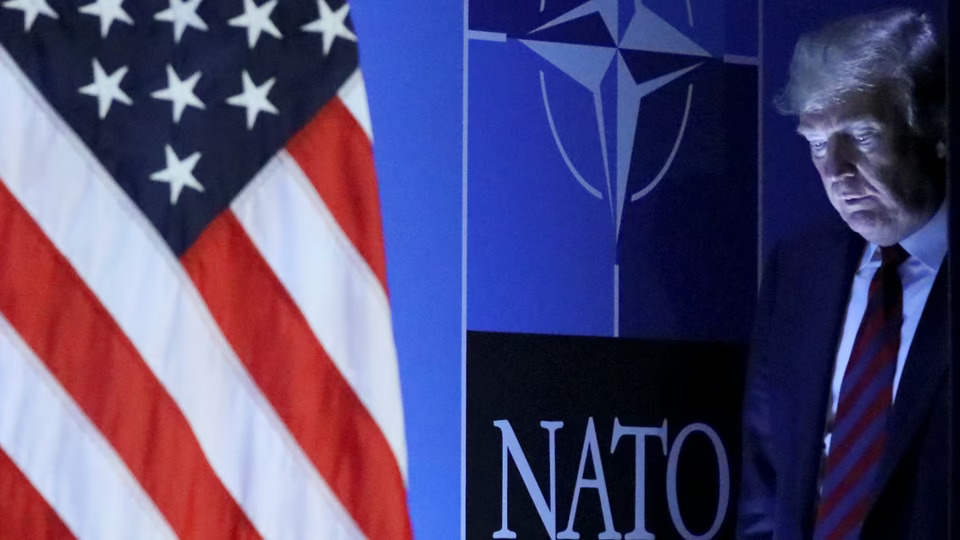
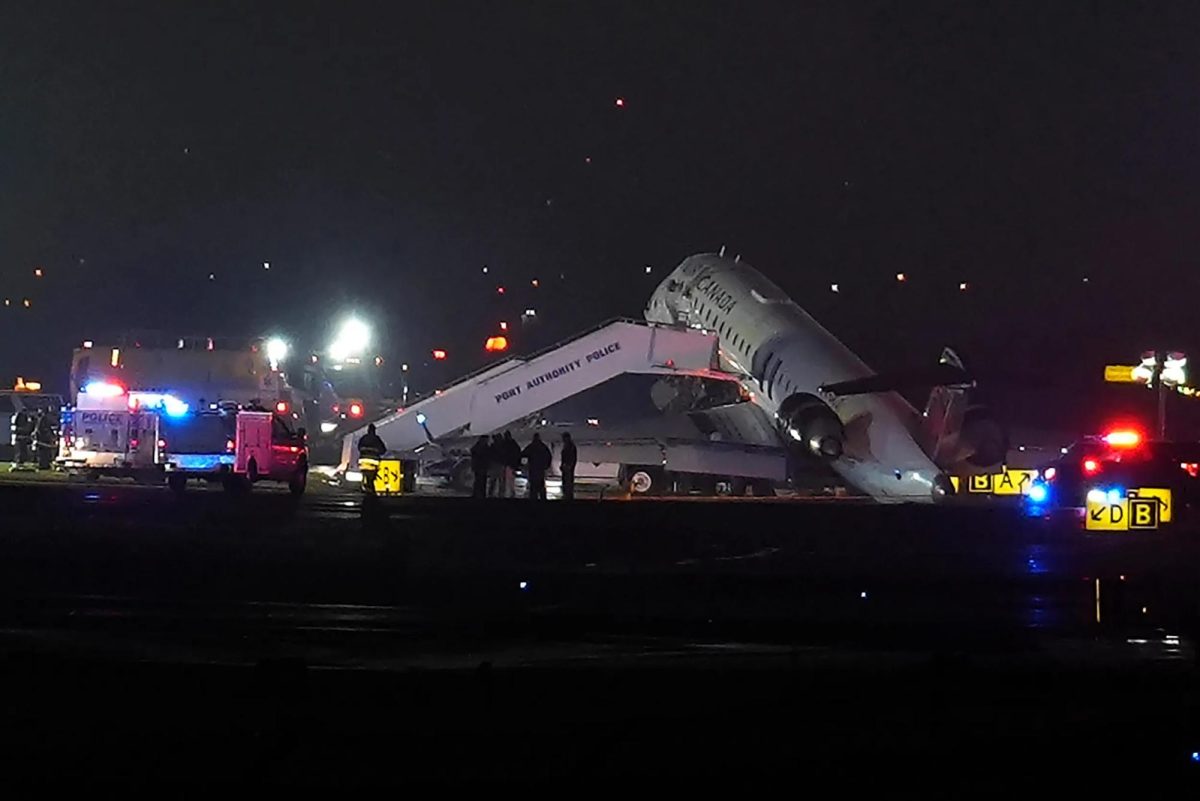
With the concerns of the current administration, travel had become more difficult. It was recorded that some players, employees, and fans from various countries, including Iraq, Venezuela, Iran, Senegal, Haiti, Ivory Coast, and all the countries affected by travel bans, were denied entry, or were subjected to questioning during their travels. This prevented thousands of fans from getting seats for the World Cup, including integral staff. Even fans who were able to get tourist visas were subject to much stricter rules and observations if they were not U.S. residents.
Another controversy the United States faced was the safety of fans in its cities. As mentioned earlier, international travel is under some scrutiny in the U.S., and this was a concern of many fans who attended or were planning to. Would they and their families be safe? Would they potentially be confronted by ICE agents? Would Americans welcome them into their cities, or would they be rejected as foreigners? These were all risks that unfortunately worried many fans.
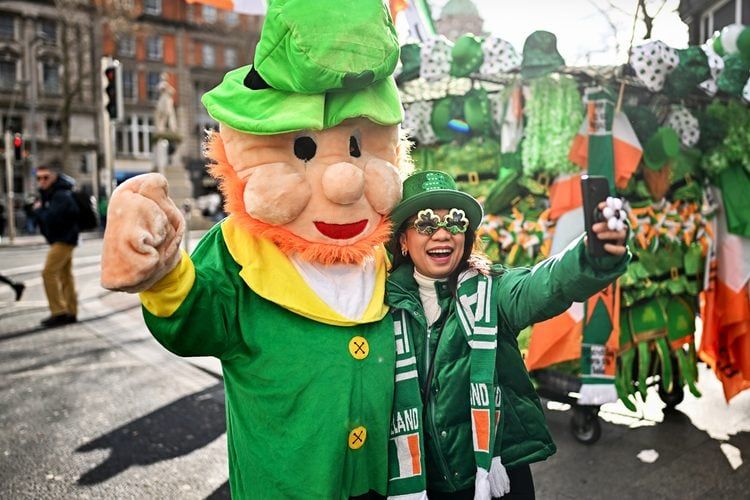
Despite all this, the World Cup came, and where international fans were expecting rejection, they found welcoming arms. From the Scottish fans who stayed in Boston to the Japanese fans who stayed in Texas, each team was embraced and celebrated, with fans cheering not only for their own teams but for other teams as well. Scots partied and shared their bagpipe march in Boston, and in return experienced the “Park Cop Slide”; Norwegians in New York City shared the Viking row; Japanese fans were in awe by the food and culture of Texas, and the list goes on.
This World Cup brought people together more than ever before. This was especially true when the small African country of Cabo Verde reached the Round of 16 and faced Argentina. The world rooted for the team. Millions of people across the country and the world were at watch parties, rooting for an unfamiliar country. Even when they eventually lost, Cabo Verde made their mark on the world, winning the hearts of many and further fueling the fire of love that this World Cup had started.
These acts of camaraderie and companionship proved how the ability to love and care for someone or something doesn’t end with nationality or culture. When AHA students were asked, “What did you look forward to in this year’s World Cup?”, Kenzie Genuino ’29 responded, “I looked forward to the joy and excitement it brings to myself and others worldwide. I was happy that, for once, people would be united about something, even just a sport.” Mia Liu ’29 student remarked, “I was looking forward to the good vibes and energy.” Even in our own student body, we see the messages and influences of the World Cup. In a way, this World Cup was quite similar to the high school experience. Where many feel fear and expect to find rejection, they end up feeling happy and find companionship, supported by their peers, and bond over collective goals and interests.
Sources:
https://www.cfr.org/articles/the-u-s-is-co-hosting-the-world-cup-but-much-of-the-world-cant-attend
https://www.olympics.com/en/news/fifa-world-cup-2026-fans-beautiful-game-unite-world
https://www.pbs.org/newshour/show/how-americans-are-welcoming-world-cup-fans-from-across-the-globe
https://www.nytimes.com/2026/07/19/world/europe/us-world-cup-trump-boston-kansas.html
Image Source:
https://www.nytimes.com/2026/07/19/world/europe/us-world-cup-trump-boston-kansas.html