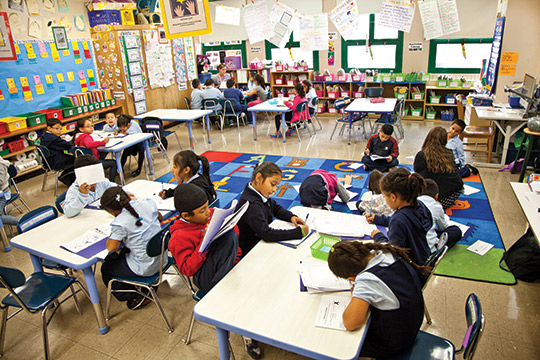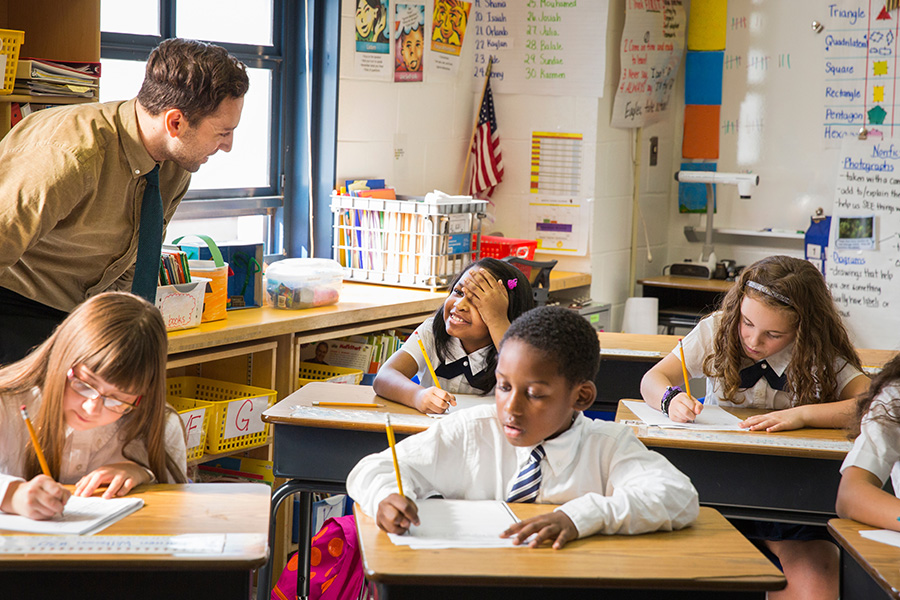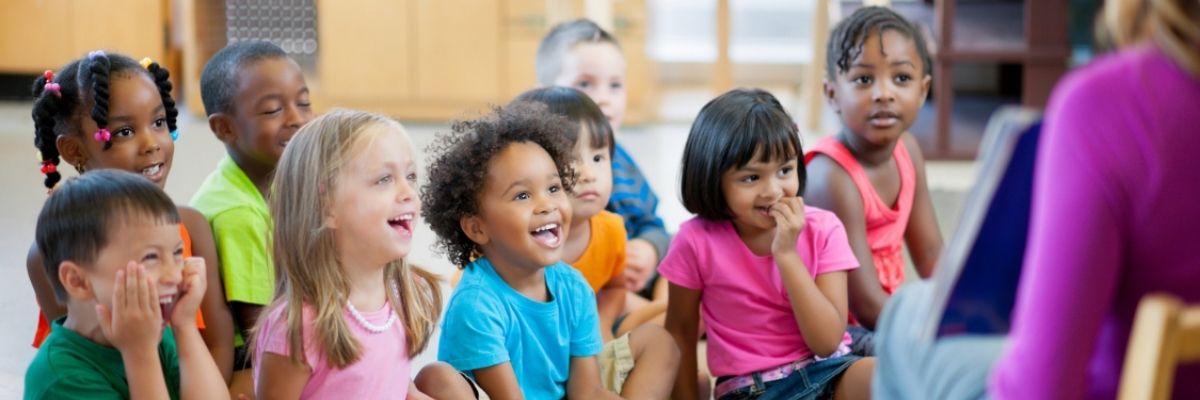







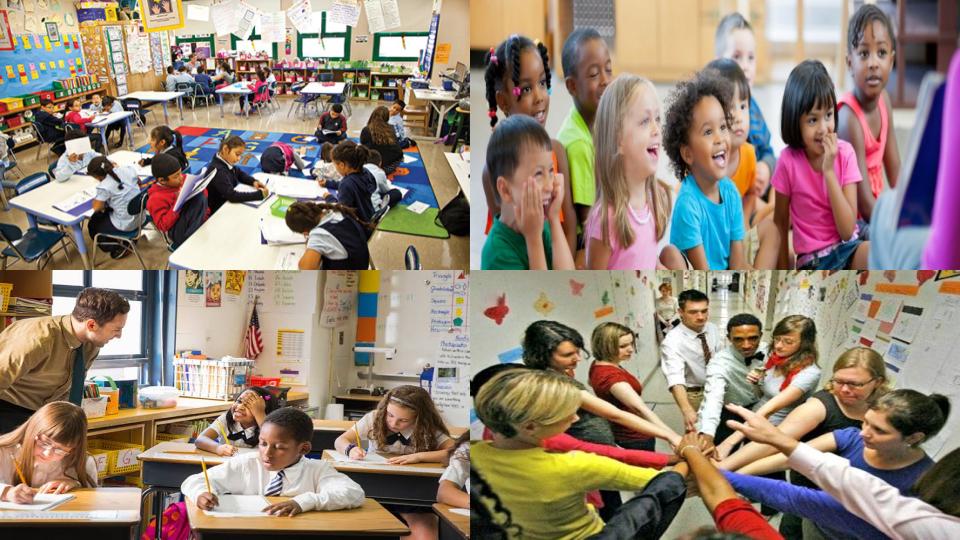







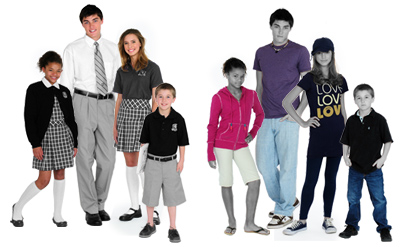



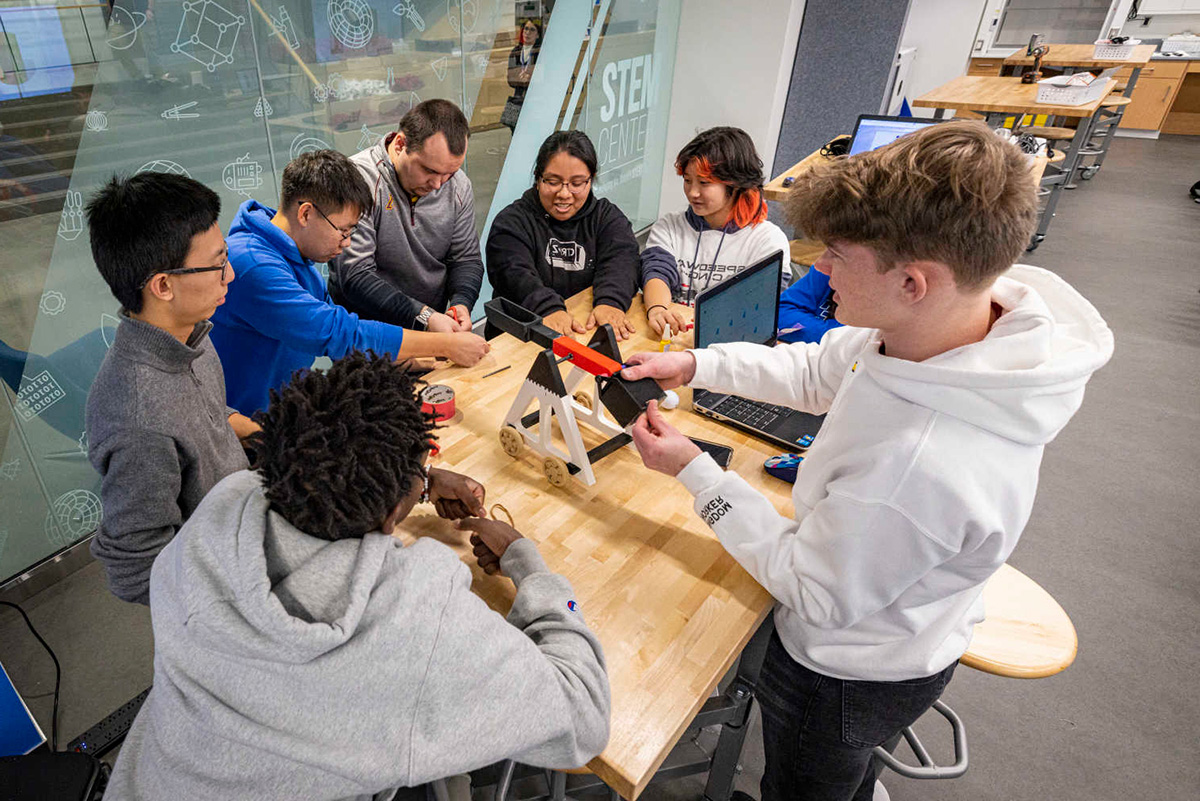


Imagine all of your class lessons were copy and paste. You and the hundreds of other students are all expected to learn everything in the same way. The same instructions, the same assignment types, and the same amount of time to complete everything. In order for this to work, everyone would have to share the same approach to every subject and the same brain. Sounds impossible, right? For some students, this plan could work perfectly with their learning style, but for others, it could make learning feel impossible and overwhelming. This is why an inclusive approach to learning and the 3 R’s (respect, relationships, and responsibility) are absolutely essential in a classroom.
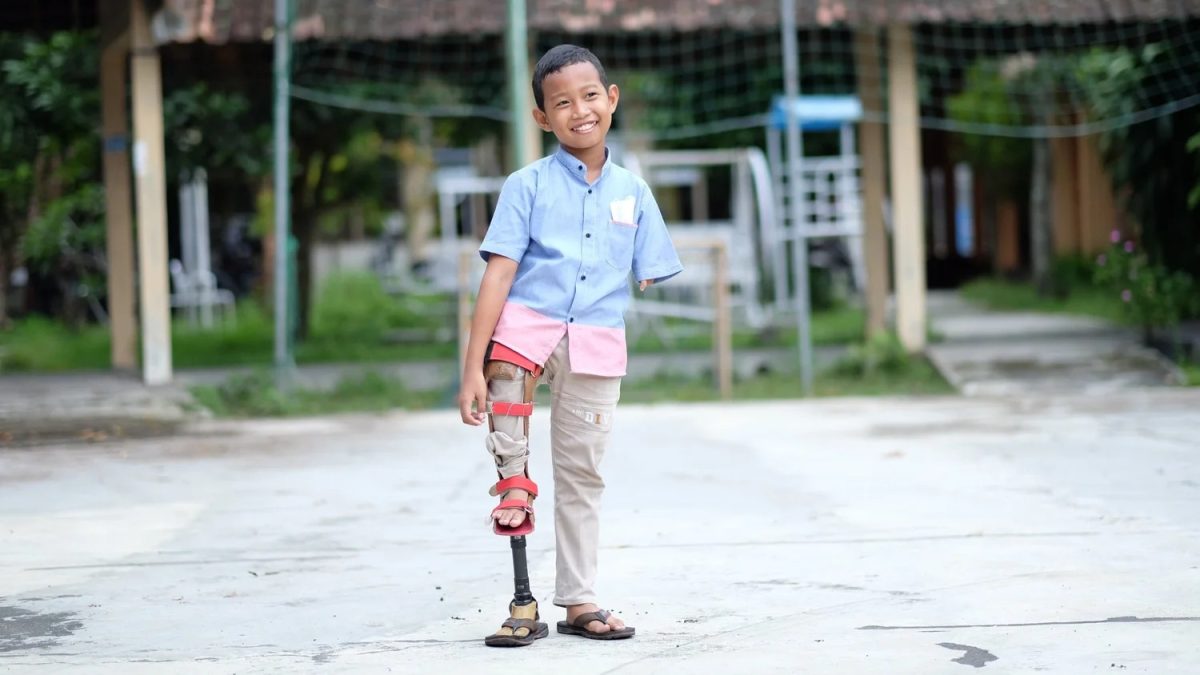
An inclusive classroom isn’t just about having students with different abilities and backgrounds in the same room. It’s about making sure everyone walks into that room each morning feeling confident, supported, and like they can successfully accomplish what is asked of them.
One thing I’ve learned through my experiences working with children with disabilities is that there is no single approach that works for everyone. At Camp Haverim, a summer camp for children with autism, I noticed how differently each child responded to activities. Some loved having a step-by-step routine, while others needed frequent walks during activities in order to maintain focus, and others just needed extra encouragement through stickers and words of approval. What worked perfectly for one child might work horribly for another, and that is completely okay! It is an educator’s job to learn about the child they are working with and accommodate that child’s learning style.
I noticed something similar during my internship at a pediatric occupational therapy clinic. I watched therapists make small adjustments to activities based on each child’s needs. Sometimes, something like writing the tasks on a whiteboard and allowing the child to check it off when each was done was what made the biggest difference. Seeing a child gain confidence after accomplishing something they had been struggling with was always exciting for both the therapist and the child.
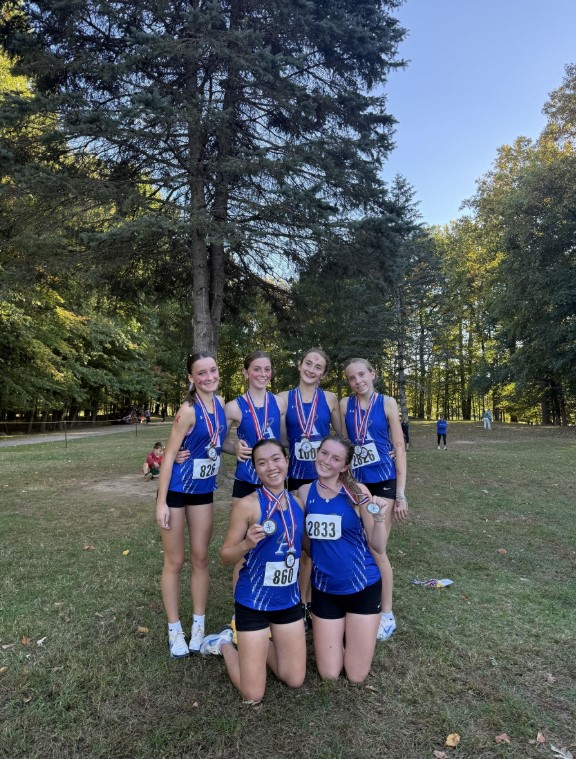
But inclusion isn’t only about learning differences or accommodations that a teacher can provide. It’s also about the little things we do as students and friends in the classroom. Think about how meaningful it is when someone invites you to join their group when you are struggling to find a partner, or when another classmate stays after class to help you understand something that you could not grasp during the lesson. Those moments may only take a few seconds or minutes out of someone’s day, but they can completely change someone’s sense of belonging and confidence.
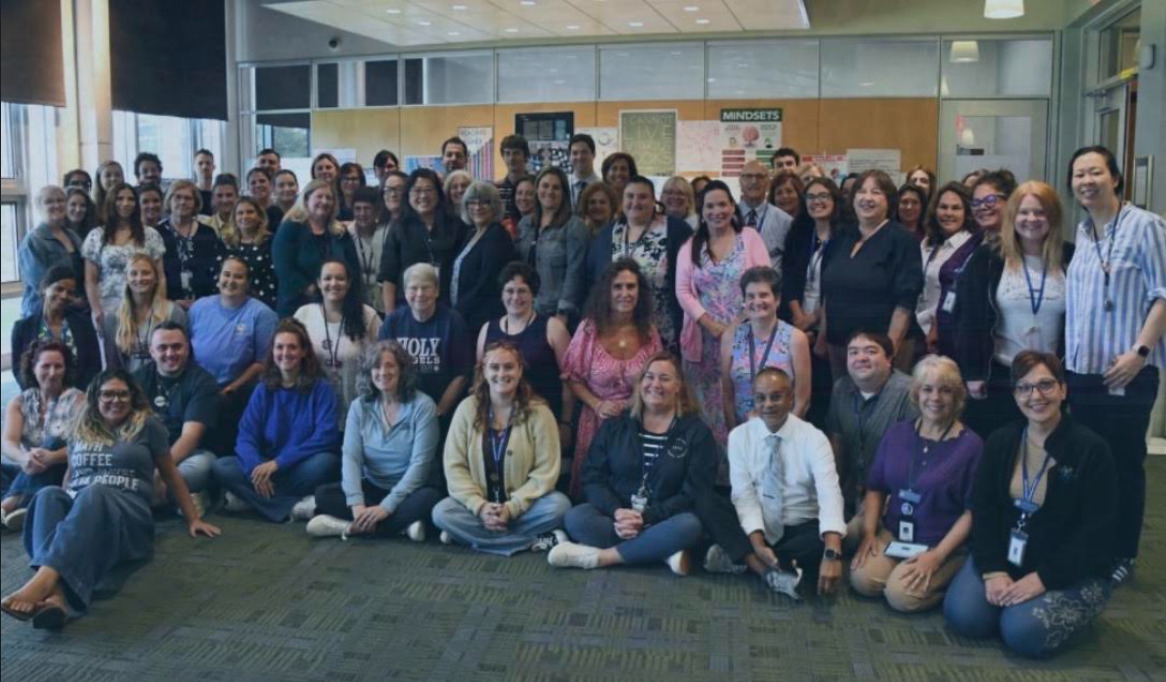
At Holy Angels, we have so many opportunities to make our classrooms and school environment more welcoming. We offer the center of educational achievement for students who need extra time, the list of the school norms in every classroom to make sure both students and educators are being attentive to one another, and community time in order for students to get extra help and work individually with their teachers. Every single student brings something unique and wonderful to the table. When we come together and show our unique abilities, we make our school community stronger.
The most important thing I’ve learned through my time volunteering and in Holy Angels is that in order to treat everyone fairly, you cannot treat everyone like they are the same. Everyone has different strengths, challenges, and ways of learning, and recognizing these differences is what makes everyone in a classroom feel like they belong.
Sources:
https://inclusiveschools.org/resource/what-does-an-inclusive-classroom-look-like/
https://about.labxchange.org/blog/inclusive-classrooms-what-is-an-inclusive-classroom
Image Sources:
https://learningessentialsedu.com/wp-content/uploads/2018/01/classroom_01.jpg
https://keywell.com.au/wp-content/uploads/2024/03/classroom.jpg
https://www.studiesweekly.com/wp-content/uploads/2021/11/Inclusive-Classroom-October-2025.jpg