












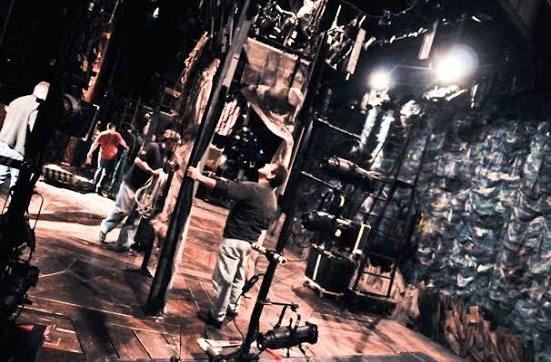





Last year, I went into the city and saw the Broadway show Schmigadoon. It was very good; it had the perfect mix of golden-age musical theater tropes and modern humor. After the show, my family and I went to the stage door and got our playbills signed by the actors. I complimented the people we met on how great the show was and their performances. Looking back, I realize that, as we were having conversations, it must have been odd for the actors to hear strangers talk about a show that they had spent months rehearsing and perfecting. I thought about how different people view art and how their relationship with the art affects their perspective.
This poses the question of whether art is more about the artist or the audience. While the artist is the creator of the art, the audience is the viewer, and each role is important to the balance of effect and purpose that an artwork has.
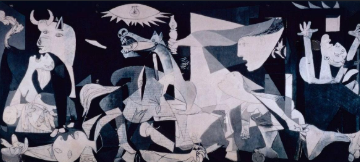
In 1937, Pablo Picasso created the painting Guernica, which served as a direct anti-war protest during the Spanish Civil War. Guernica toured internationally to raise funds for Spanish war relief and brought the horrors of the Spanish Civil War to global awareness, becoming a universal symbol for peace. Guernica is an example of the relationship between an artist who has a message that they want to convey to the audience and the audience who tries to understand the message.
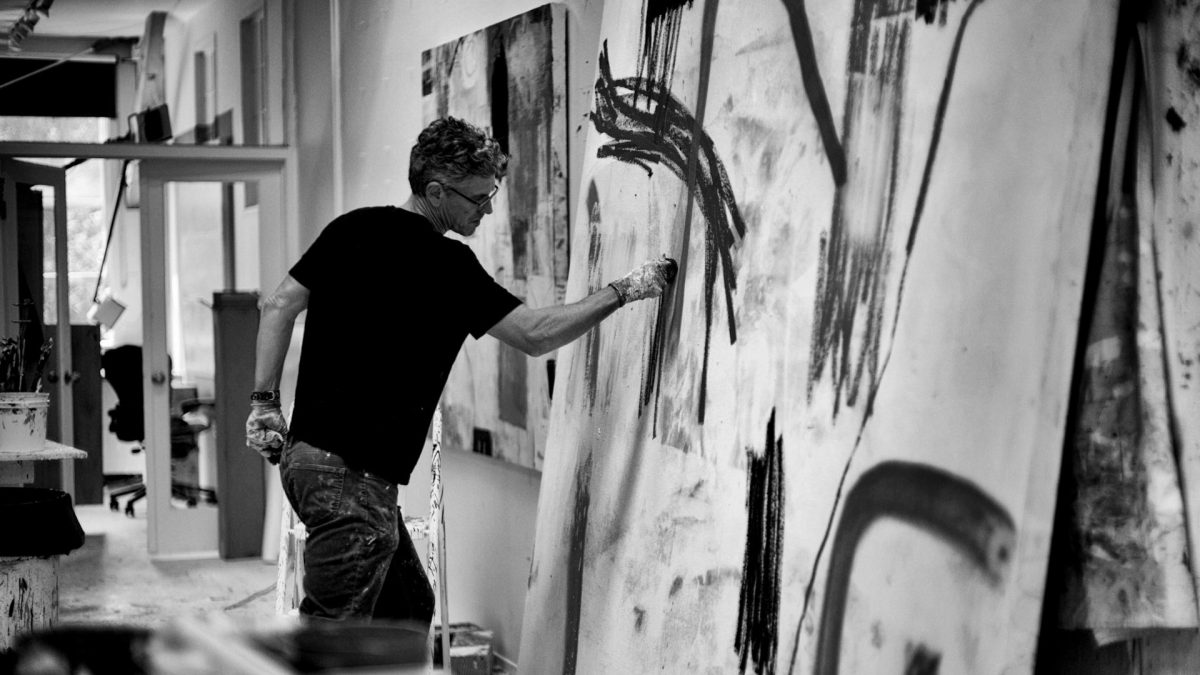
Artists can use art as a creative outlet to reflect their emotions and passion, so some art is never meant for an audience.
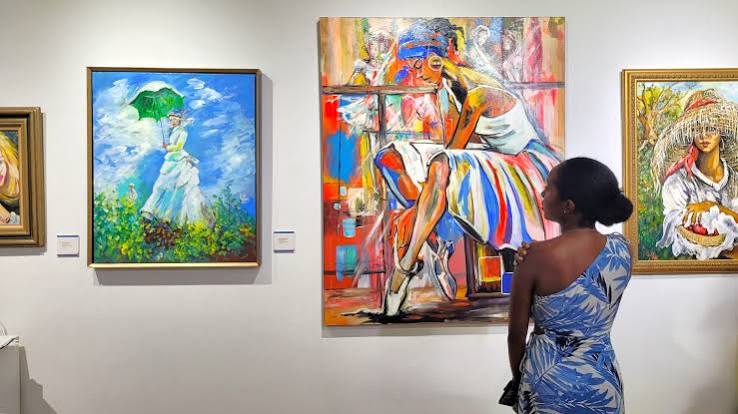
However, an artist can also have a purpose for art, and the effect or relevance that the art has relies on the audience, meaning that artists can need an audience, but not all audiences need a certain artist.
There are many different circumstances because art is not linear. Therefore, to properly answer this question individually, we must look inward and ask ourselves who we are when we view art.
Are we in the audience? Or are we artists?
Image source: https://www.pablopicasso.org/guernica.jsp