




















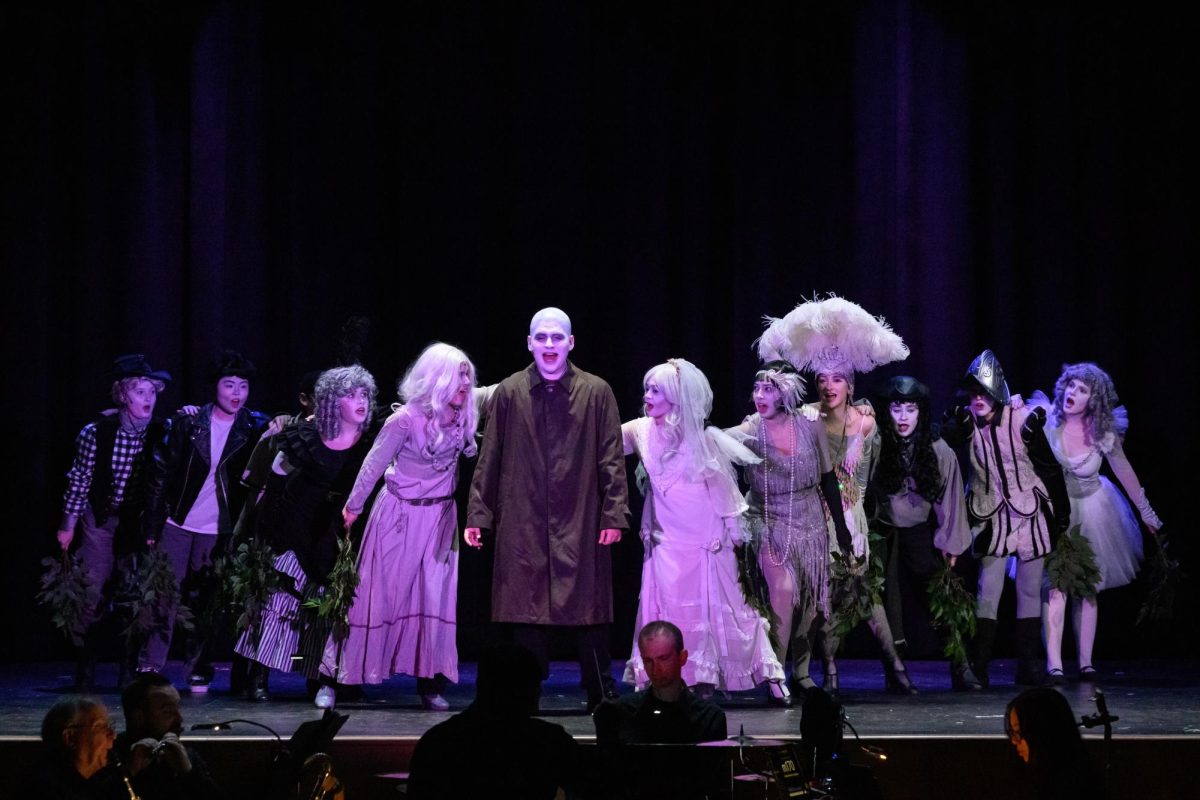
Although theater is now a group that I am a part of, I still partially view it as an outsider as a senior who has never participated in theater at AHA up until now. Even as someone with vocal and dance experience, I was still fascinated by all the new things I discovered through this group which I did not fully anticipate.
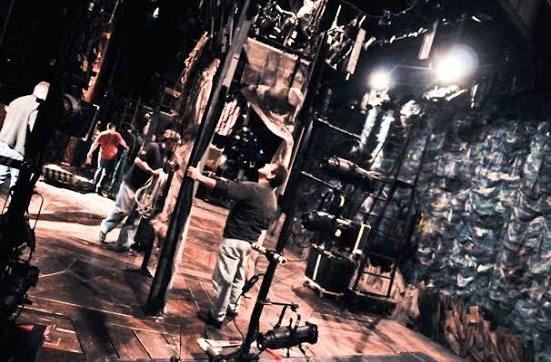
Some of the major aspects of the material culture of theater include the surplus of backstage paraphernalia, from makeup products to wig caps to steamers for clothing and voices alike. There was not a single night during the past week where bobby pins were not scattered all across the tables with face paint smudges to complement the mess. The backstage area has plenty of well-lit vanity mirrors which were often crowded with actors before mic check as people rushed to pin wigs into their hair and perfectly contour their face for the stage. Everyone’s costumes were hung up together, and many props were placed in hands-off areas to ensure that no cast members accidentally broke them. The inherent purpose of this physical setting is for getting show-ready, but I also found it to be a place of real community beyond the curtains. This extremely cluttered backstage area is where we all started opening night and finished closing night, and there were just as many hugs, laughs, and tears shared in this space as there were bobby pins.
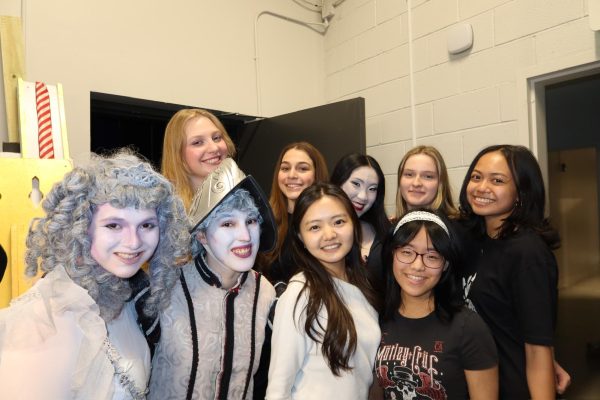
The language of the setting included the repetition of songs and lines from the musical more than anything. Hours spent backstage getting ready would consist of humming along to our pre-show playlist, and cast members backstage would always mouth the words to a certain song that was being performed on stage. I noticed that inside jokes and references were the beginning or punchline of almost every conversation, and I sometimes considered how unexplainable this would look from an outside perspective. Before shows began, we would do a backstage prayer and chant as a group to get some energy going before each show. Words of encouragement, both with the full group and in passing, seemed to be overflowing with every practice and performance. Whatever words were being spoken, there were nearly always positive, indicative of how deeply all of the cast members care for one another.
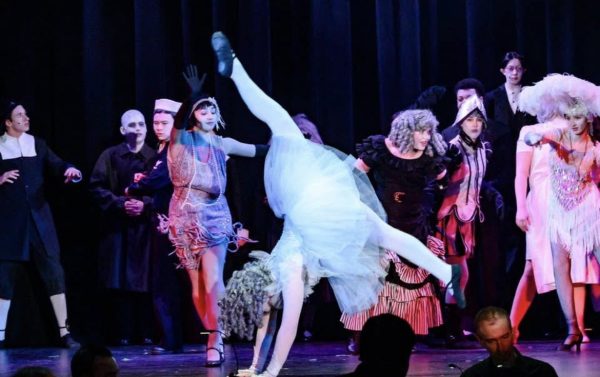
This ties directly in with this group’s values. Along with the value of encouragement and support for one another comes the value of hard work and improvement. I noticed that cast members in dance numbers, myself included, were constantly asking around and checking with one another to make sure a certain move was done correctly. Upperclassmen and returning theater members would ensure that every scene, song, and dance was up to par, and corrections were always given in a caring tone. A third value which is key to the group is respect. The show involves the efforts of so many directors for different aspects of the performance, so as much as cast members loved to laugh and joke with one another, when a certain director or captain spoke, they listened. The group’s main goal is to put on a phenomenal show, but the true goal is to accomplish this through the encouragement and support shared among all cast members.
I saw this encouragement as both a value and a group norm. I watched as people would share smiles and high-fives backstage as they run to their next spot—even people who barely knew each other. I personally bonded with some underclassmen I would have never met otherwise, and I was constantly giving thumbs-up to everyone. Social norms also include sharing anything and everything with cast members. If someone was missing a makeup item, dance shoe, or accessory, another member would immediately try to find something. This revealed to me how much the cast members valued the group as a whole—lending one person a makeup brush or ballet slipper benefits the entire show. However, the one rule which is supposed to govern members (though I saw it consistently broken) was staying quiet backstage.
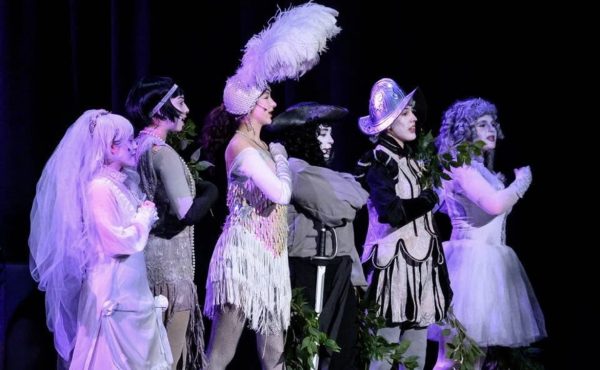
As established, this group is extremely loud and always excited to perform, which is great for onstage energy but not ideal for backstage during a solo piece. On one hand, it is important to respect fellow cast members and the audience by providing a quiet environment where one can perform. On the other hand, this group thrives on each other’s encouraging words and energizing laughter, so it was difficult to keep this rule. Other than this, the cast was extremely organized in terms of cleaning backstage post-show and returning all the costume pieces. All of the dance shoes and makeup supplies I let others borrow were returned to me instantly, which is yet another symbol of the group’s respect for one another.
I was most surprised by the group’s mutual respect and care. I always hear rumors that theater can be a very cliquey group, and allegedly, last year it was. So, I was delighted to truly feel like a part of the team, and not an outsider. Having seen many of AHA’s past productions, I always considered the performance with little regard for just how many hours, late nights, and nearly late homework assignments went into each production. I have infinitely more respect for anyone involved in theater, as there was not a single person, cast, crew, or director, who was not fully committed to achieving greatness.
Sources:
N/A
Image Source:
N/A