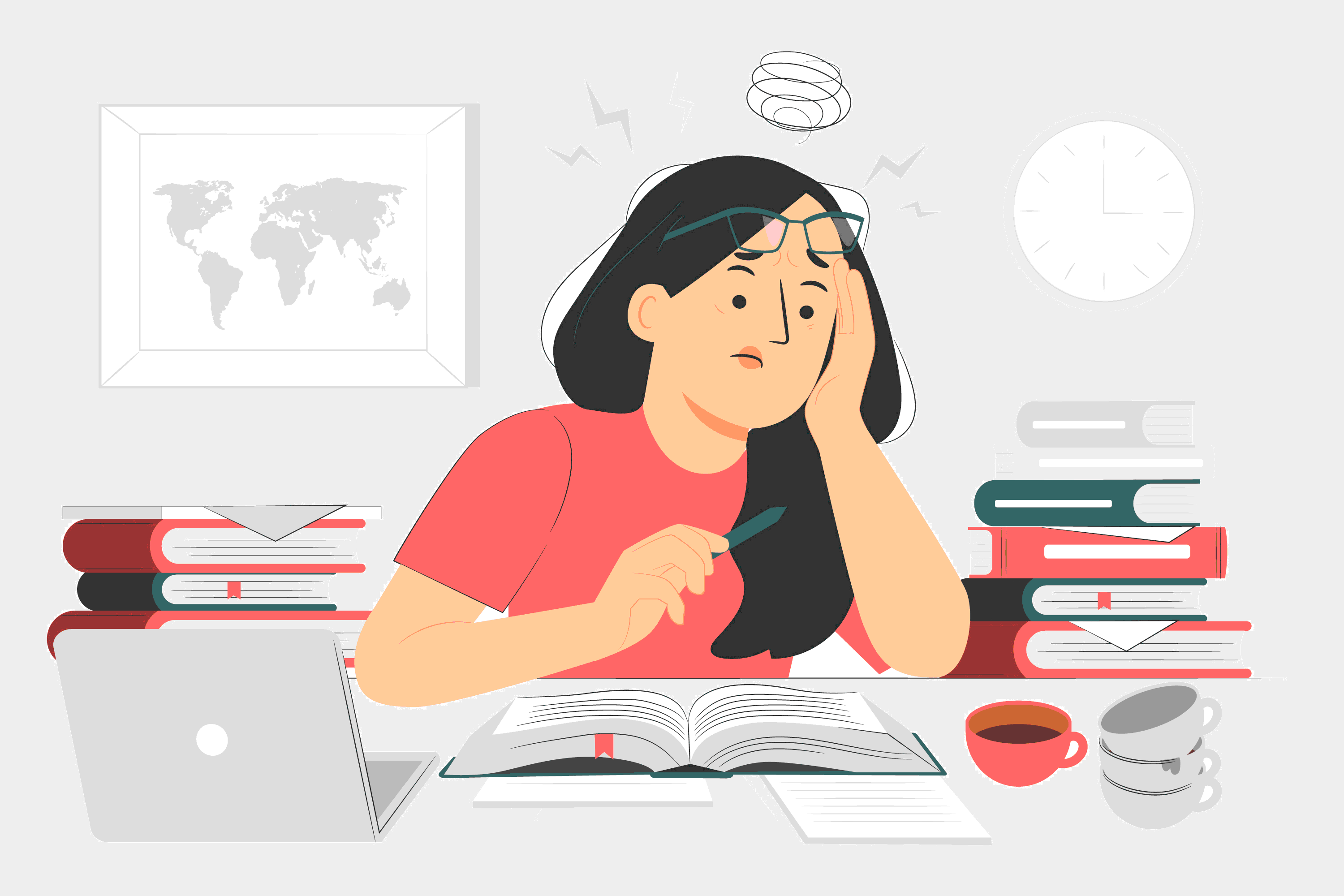




























Stress is a state of worry or mental tension caused by a strenuous activity or mindset. It is the natural human reaction to mental pressure experienced by everyone. Psychological stress in high school students can be attributed to several factors, including difficult assignments, tight deadlines, and overwhelming workloads. While the mainstream media paints stress as something detrimental to the mental health of the youth, there is room to discuss the possible benefits of stress.
When faced with an impending test or assignment deadline, students will often describe their heart pounding and breath quickening. This combination of reactions is the release of stress hormones, known as the “fight-or-flight” reaction. According to Harvard Health Publishing, this response has evolved as a survival mechanism that enables people to react to life-threatening situations effectively. While quickly approaching midterm exams may not be life-threatening, it may give a student the necessary boost of increased alertness, sharpened concentration, and improved cognitive function that will allow them to perform better. When interviewed on this topic, Samantha Dipad ’26 expressed her positive attitude toward stress in student life, asserting, “Stress is beneficial to me as a student because it pressures me to get my work done. I find my work to be more accurate when done under the stress of a deadline rather than under a lax mindset. It prevents laziness that slips out when I have gaps in my schedule.”
Others may disagree with this statement, pointing out the potential for deterioration of the physical and mental well-being of students in the long-term. Constant academic pressure without breaks can lead to exhaustion, lack of motivation, and burnout. This decreased productivity can make even simple homework assignments feel overwhelming and can lead to a downward spiral in academic performance. This statement is reinforced by Norah Park ’26, who believes in the ineffectiveness of stress in the long-run. She explains, “Long-term stress has proven itself to be extremely detrimental to my well-being as a student. While the perpetual cycle of studying for hours without stopping initially felt rewarding, my motivation began to drop and eventually, I had lost it completely. I was constantly tired, my skin started to break out, and I found myself feeling worse than ever.” Burnout is hard, especially for students who do not have the leisure to call a time-out in their academic life. Chronic stress is a major contributing factor to anxiety and depression in students, which has become extremely common given the rise in academic competition. When stress becomes a daily occurrence, it can lead to feelings of helplessness, low self-esteem, and difficulty coping with scholarly demands.
In their pursuit of academic excellence, students may ignore their body’s warning signs—long-term stress weakens the immune system, making them susceptible to illnesses. Disrupted sleeping patterns are common among teens due to immense loads of homework. It is a widely accepted thought that students should not be forced to sacrifice their physical well-being for academic success.
To reap the benefits of stress while avoiding its negative long-term effects, students should work on effective time management, allowing themselves to take breaks and seeking support when distressed or overwhelmed. It is important to find a healthy balance between stress and relaxation to maximize long-term success not only in school but also in life. Stress is not entirely as bad as some may see it to be. It can be a powerful tool for academic success when experienced in short bursts. By managing their stress effectively, students can perform at their best without sacrificing their physical or mental health.
Sources:
https://www.who.int/news-room/questions-and-answers/item/stress
https://med.stanford.edu/news/all-news/2012/12/good-stress-bad-stress.html
https://www.health.harvard.edu/staying-healthy/understanding-the-stress-response
Image source:
https://www.collegenp.com/article/effects-of-stress-on-students-academic-performance