























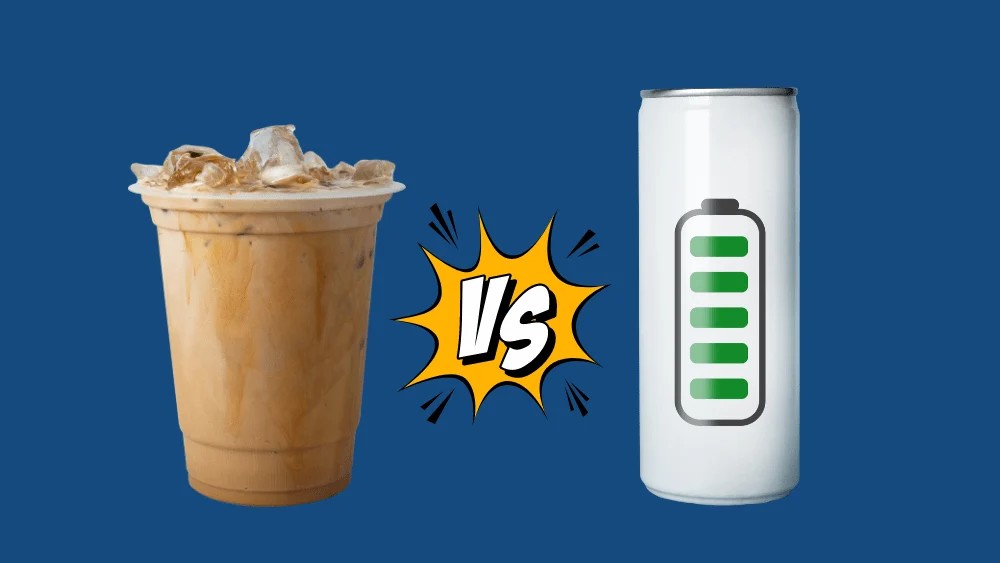




Adults have talked about needing their morning cup of coffee since the beginning of time. But increased stress about schoolwork and college has caused teenagers to want the same stimulation as their parents, and with their excessive sleep deprivation, teens feel the need to seek out alternative methods in order to stay awake with something a bit more palatable. Excessive caffeine intake in the form of energy drinks has been the recent solution to tiredness, but how is your health being affected?
The recent rise of energy drinks has sparked much speculation on how they can affect your health, and it’s safe to say that people are right to be concerned. When someone drinks an energy drink, they consume caffeine that is meant to elevate their heart rate, increase their alertness, and temporarily raise their blood pressure. This is a normal reaction to caffeine and can be helpful when you need to be attentive, but consuming too much can be dangerous. Drinking energy drinks consistently can result in disrupted heart function, as hours of high blood pressure and abnormal cardiac activities can cause life threatening arrhythmias in the heart. This can lead to seizures and episodes of cardiac arrest, which can be deadly. In addition, despite trends of teenagers being obsessed with energy drinks, they are part of the group that should especially be avoiding them. This is because their brains aren’t fully developed, meaning they are more susceptible to the negative effects of taking in large amounts of caffeine.
It’s natural to assume that since energy drinks are dangerous, coffee isn’t safe either, but that isn’t necessarily true. This is because dangers of energy drinks aren’t rooted in the fact that they have caffeine, but in the excessive amounts of it they contain. The American Academy of Child and Adolescent Psychiatry says that children between the ages of 12-18 should consume no more than 100 milligrams of caffeine a day. While a cup of coffee is only about 95 milligrams of caffeine, popular energy drinks usually contain over 150 milligrams of the stimulant, making it dangerous for high schoolers to drink multiple cans per day. When asked about her thoughts on energy drinks and coffee, Bridget O’Sullivan ’27 said, “Personally, I prefer energy drinks, but coffee is probably better for you. I’ve also heard a lot about the long-term side effects of energy drinks that make me think they shouldn’t be as popular as they are.” O’Sullivan is right to be concerned about the popularity of energy drinks, as teenagers are constantly putting their health in danger to stay awake.
Energy drinks are proven to be dangerous to cardiac health and neurological development, so hopefully you will think twice the next time you’re craving a Red Bull.
Sources:
https://www.hopkinsmedicine.org/health/wellness-and-prevention/energy-drinks-and-kids
https://www.health.harvard.edu/diet-and-nutrition/are-energy-drinks-bad-for-you
https://pmc.ncbi.nlm.nih.gov/articles/PMC10535526/
https://www.nm.org/healthbeat/healthy-tips/nutrition/the-effects-of-energy-drinks-are-they-safe
https://www.rileychildrens.org/connections/how-much-caffeine-is-safe-for-your-teen
Image source: