





















From our FYP to real life, is TikTok changing our vocabularies?
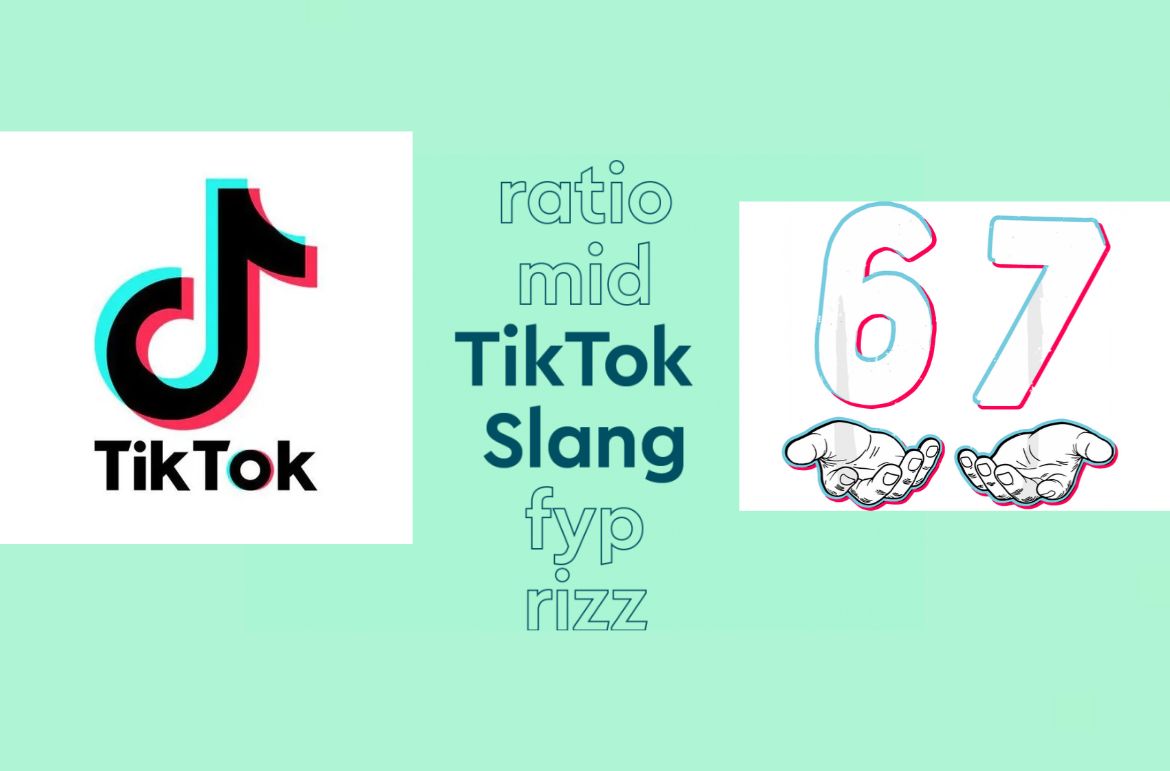
What happens when a teacher calls on you, and you reply, “No cap, I didn’t finish the homework ’cause it was lowkey mid?” You may receive a confused glance, a blank stare, or maybe a warning to speak properly in class. Even in math class, when the teacher asks what the answer is to 82+3, everyone is certain to look at each other while uttering the two dreaded numbers that have taken over the internet: 6-7.
Social media, especially short-form video platforms like TikTok, is spreading information and slang faster than previous media. Because of the app’s stream of 30-second videos, users never get bored and end up scrolling for hours without even realizing how much time has passed. This effective method TikTok uses to capture the audience’s attention has led to a dramatic increase in global users. More and more people worldwide are picking up TikTok slang in daily conversation. In particular, viral algorithms push specific phrases to users. What used to take years to enter mainstream vocabulary now takes less than a few hours.
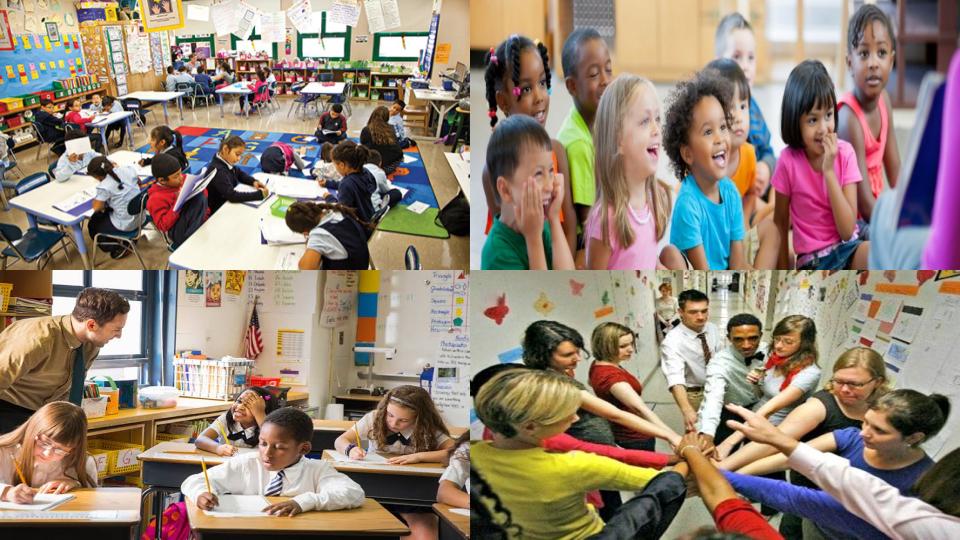
Using this Gen Z lingo daily has certainly confused the adults around us. Telling your parents, “I’m crashing out because of my test tomorrow!” or “Now I have to lock in,” wouldn’t necessarily sit well with them. While your peers might agree, your parents and adult family members would likely be perplexed. Among Gen Alpha students, conversations with middle school teachers have become increasingly more confusing because TikTok is changing the way we talk. As for Gen Z, there may even be a point in time when Gen Alpha and the other subsequent generations will start using lingo we aren’t familiar with.
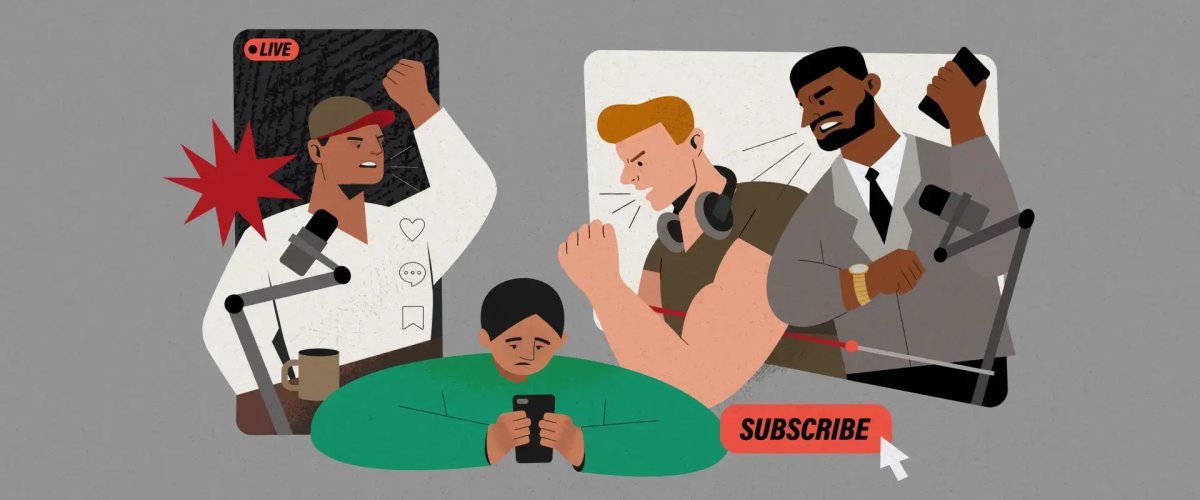
Beyond just daily conversation, many adults argue that “TikTok language” makes intergenerational communication confusing and lowers writing quality. This proves to be a valid argument since many acronyms and slang on TikTok have shortened long phrases or words students would normally have to learn how to spell or learn. In an English essay, our initial reflexes would be to write “bcs” instead of “because” or “FR” instead of “for real.” Since TikTok has normalized texting in short phrases, students are often accustomed to expressing their ideas this way instead of fully developing structured thoughts.
TikTok has played a major role in speeding up the natural evolution of speech. Today, new slang and expressions spread faster than ever. Despite creating a temporary communication barrier between students, teachers, and parents, it also shows how quickly we are shifting in the digital age. While adults are clearly worried about the growing lingo, language is indeed changing with every generation. Will this slang last, or will it be replaced with the next viral trend? Hmm, TBH, IDK!
Image Sources:
https://www.dictionary.com/articles/tiktok-slang-words