

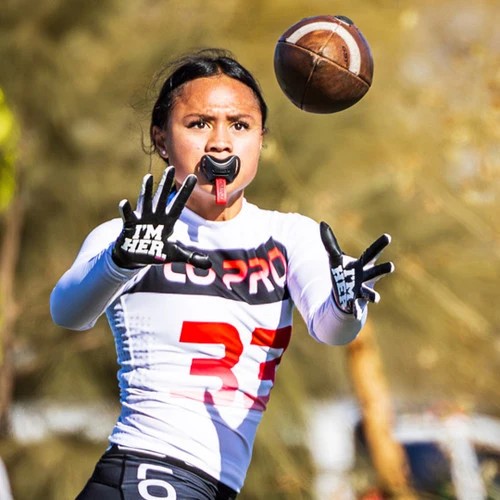
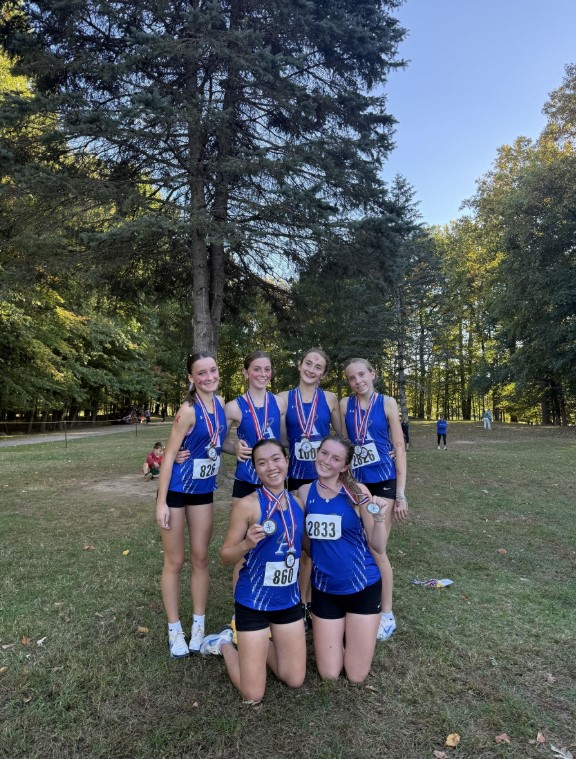


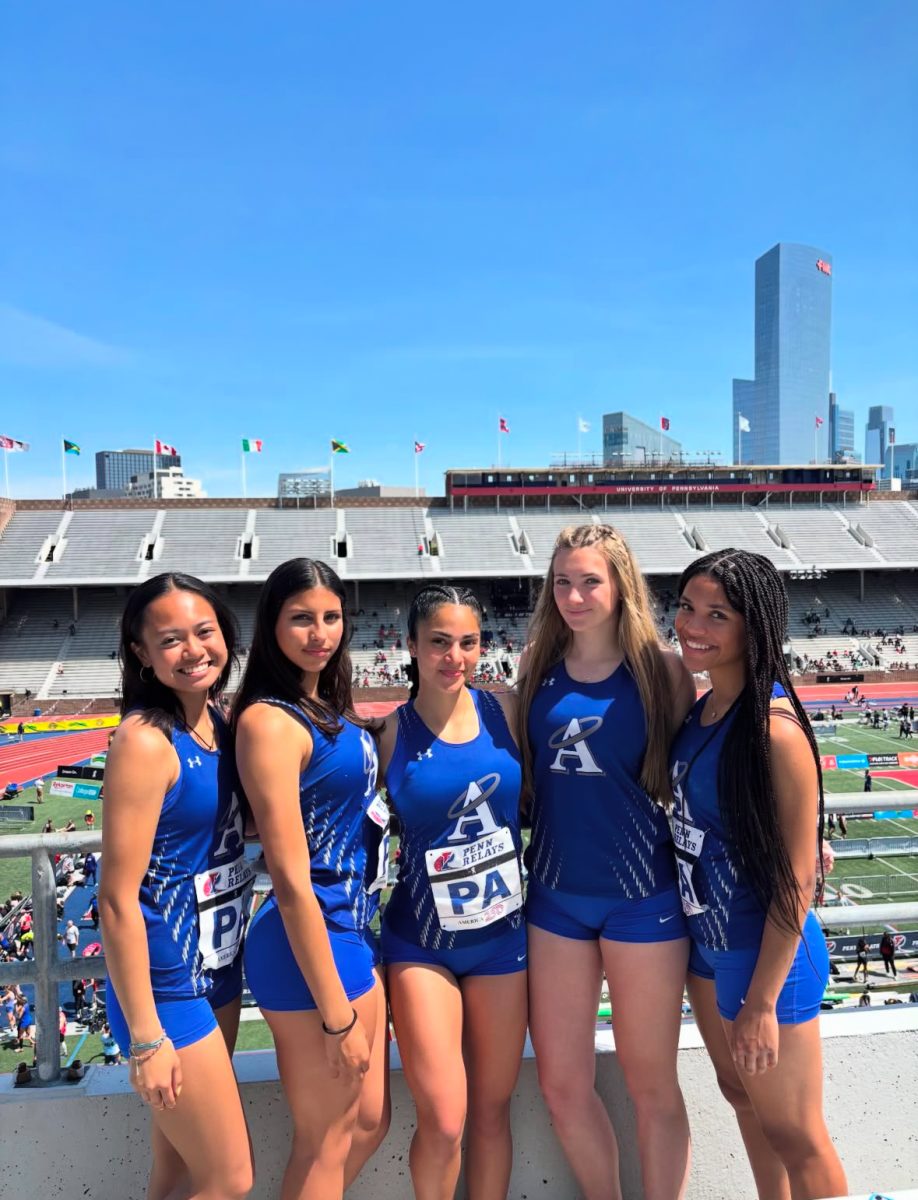












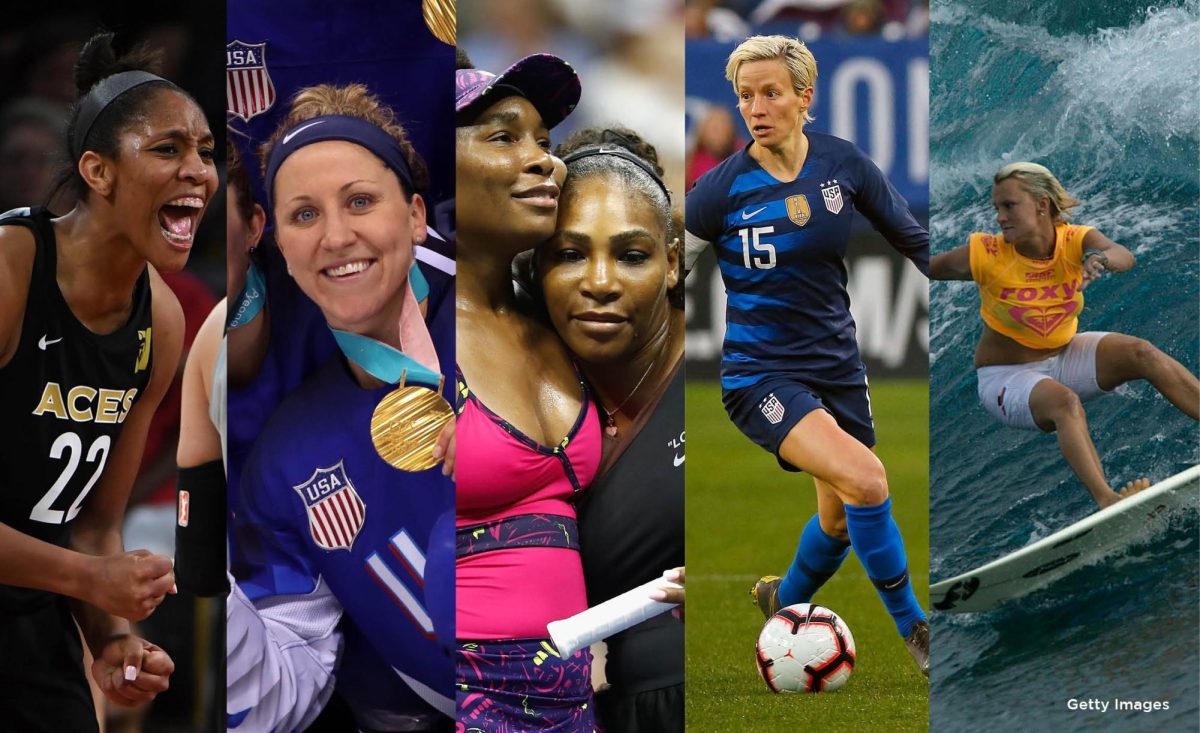
Sports are and have always been a big part of popular culture. From the Olympics to the World Cup, athletics play an important and unifying role in society. However, despite the number of both male and female athletes, the world sometimes fails to remember that sports are all-inclusive activities. In a world where male athletics are considered more popular, female talent in and around the area of sports continues to be underrecognized.
Female underrecognition in sports can be seen by simply looking at the statistics. According to UNESCO in 2018, about 40% of athletes are female; however, women’s sports only receive 4% of coverage from the media. A good example of this is women’s cricket. Female cricket athletes have always been neglected in media coverage, being unconsidered by Cricket Australia and the Board of Control for Cricket in India. These boards fail to highlight their female athletes, meaning that their achievements often go unnoticed. In addition, they are unable to participate in multiple international tournaments, limiting the athletes’ opportunities and causing them to start and end their careers more quickly after being overshadowed by male cricket athletes. This shows that despite the benefits that participation in sports has for women’s self-confidence, they have a decreasing likelihood of taking part in athletics because of the underrepresentation.
Despite the opinion of many, female underrepresentation in sports is an important issue to address. Unlike young boys, young girls don’t have the luxury of having such a large number of female athletes constantly in the media to celebrate and relate to. This is harmful, as it can ultimately lead to girls being discouraged from not seeing themselves in positions that require strength.
Members of the AHA community agree with this statement. Bridget O’Sullivan ’27 says, “Growing up, I didn’t see many female athletes online. It was mainly male football and basketball players who got all the praise, while female athleticism was pushed to the side. I feel that if I saw more female athletes in my earlier years, I would have felt more inspired to take on sports and may have been more confident than I was.” O’Sullivan’s past experiences show just how important female representation in sports media is. Not only does it ensure that tremendous talent doesn’t go unnoticed, but it also acts as a source of inspiration for young girls everywhere and helps them realize that they are just as strong and capable as any boy.
Although it is true that female representation in media has increased in recent years, it is still a significant topic, as it supports the self-esteem and potential of young girls worldwide.
Article sources:
https://www.thegazelle.org/issue/166/thats-what-she-said-media-representation-of-women-in-sp orts